

From range and accuracy to wetted materials, communication protocol and hazardous-area approval: a practical guide to specifying the right pressure transmitter for process plants.
A pressure transmitter is one of the most common instruments in any oil, gas or petrochemical plant, yet it is also one of the most frequently mis-specified. An instrument that looks fine on paper can drift, fail early or simply not be allowed into a hazardous area because a single line of the datasheet was overlooked. This guide walks through the parameters that matter most when you select a transmitter for process service, so that your purchase request is complete and the instrument performs reliably for years.
1. Define the measurement type: gauge, absolute or differential
Start with what you actually need to measure. Gauge pressure transmitters reference atmospheric pressure and suit most line and vessel pressure applications. Absolute pressure transmitters reference a vacuum and are required for vacuum distillation columns, compressor suction or any service where changes in atmospheric pressure would introduce error. Differential pressure (DP) transmitters measure the difference between two ports and are the workhorse for flow measurement across orifice plates, level measurement in pressurised vessels and filter monitoring.
2. Select the range and turndown
Choose an upper range limit (URL) comfortably above the maximum operating pressure, but not so high that normal operation sits at the very bottom of the scale. As a rule of thumb, normal operating pressure should fall around the middle of the calibrated span. Modern smart transmitters offer wide turndown ratios, which lets one model cover several ranges and simplifies spare-parts inventory. Remember to check the maximum working pressure (MWP) and overpressure limit as well, especially for DP transmitters, where static line pressure can be many times higher than the differential being measured.
3. Look beyond reference accuracy
Figures such as ±0.04% or ±0.075% of span describe reference accuracy under laboratory conditions. In the field, ambient temperature changes, static pressure effects and long-term drift all add to the error. When comparing models, look at the total probable error or total performance figure and the long-term stability specification. For custody transfer and critical control loops, these numbers matter far more than the headline accuracy.
4. Choose the right wetted materials
Wetted parts, meaning the diaphragm, process flanges and O-rings, are in direct contact with the process fluid, so material selection determines service life.
- 316L stainless steel: the standard choice for water, steam, air and most hydrocarbons.
- Hastelloy C-276: for chlorides, acidic media and seawater service.
- Monel: for hydrofluoric acid and some caustic services.
- Tantalum: for highly corrosive acids.
- Gold-plated diaphragms: to reduce hydrogen permeation in hydrogen-rich streams.
For sour service containing H2S, specify materials that comply with NACE MR0175 / ISO 15156. Where the fluid is viscous, crystallising, very hot or sanitary, a diaphragm seal (remote seal) with a suitable fill fluid isolates the sensor from the process.
5. Pick the communication protocol
The output signal must match your control system. The most common options are:
- 4–20 mA with HART: the industry default, combining a robust analogue signal with digital diagnostics and remote configuration.
- Foundation Fieldbus or PROFIBUS PA: fully digital networks that reduce wiring and deliver rich diagnostics to the DCS.
- WirelessHART: for remote or temporary measurement points where cabling is expensive.
Before you order, confirm which protocols your DCS or PLC and your asset-management software support.
6. Verify hazardous-area certification
Most installation points in a refinery or gas plant are classified as hazardous areas. The transmitter must carry an approval that matches the zone classification and gas group of the location, typically ATEX or IECEx. The two most common protection concepts are flameproof (Ex d) housings and intrinsic safety (Ex ia/ib), which requires a suitable barrier or isolator in the loop. For safety instrumented functions, also check for SIL 2/3 capability certified to IEC 61508.
7. Plan the mounting and process connection
Process connection
Common options include 1/2-inch NPT threads, flanged connections and coplanar manifolds. For DP service, a three- or five-valve manifold makes isolation, equalisation and calibration far easier.
Installation orientation
For gas service, mount the transmitter above the tapping point so that condensate drains back into the line; for liquid and steam service, mount it below the tapping so that gas bubbles vent back to the process. Keep impulse lines as short as possible with a consistent slope, and consider heat tracing where freezing or condensation is a risk.
Ambient conditions
Check the ingress protection rating (IP66/IP67 or better), ambient temperature limits and the need for sunshades or protective enclosures in hot, dusty climates such as the Persian Gulf coast.
Quick specification checklist
- Measurement type (gauge, absolute or DP) and calibrated range
- Process temperature, maximum pressure and fluid properties
- Required accuracy and long-term stability
- Wetted materials and the need for a diaphragm seal
- Output signal and communication protocol
- Hazardous-area approval and SIL requirement
- Process and electrical connections, manifold and mounting bracket
Get expert support from Hamoon
Hamoon supplies pressure and differential pressure transmitters from leading brands such as Rosemount, Yokogawa, Endress+Hauser, Siemens, ABB, Honeywell and WIKA. Send us your process data and our technical team will help you select the right model and prepare a competitive quotation. Request your technical consultation today.
Products mentioned in this article
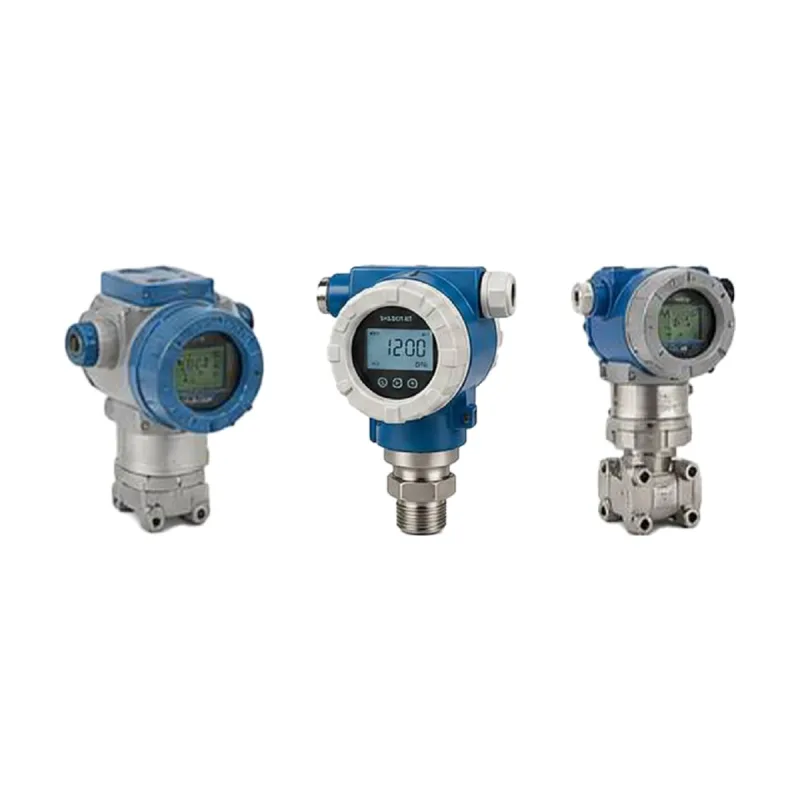
Smart Pressure Transmitter
Smart gauge and absolute pressure transmitters with 4–20 mA HART output, high accuracy and long-term stability for...
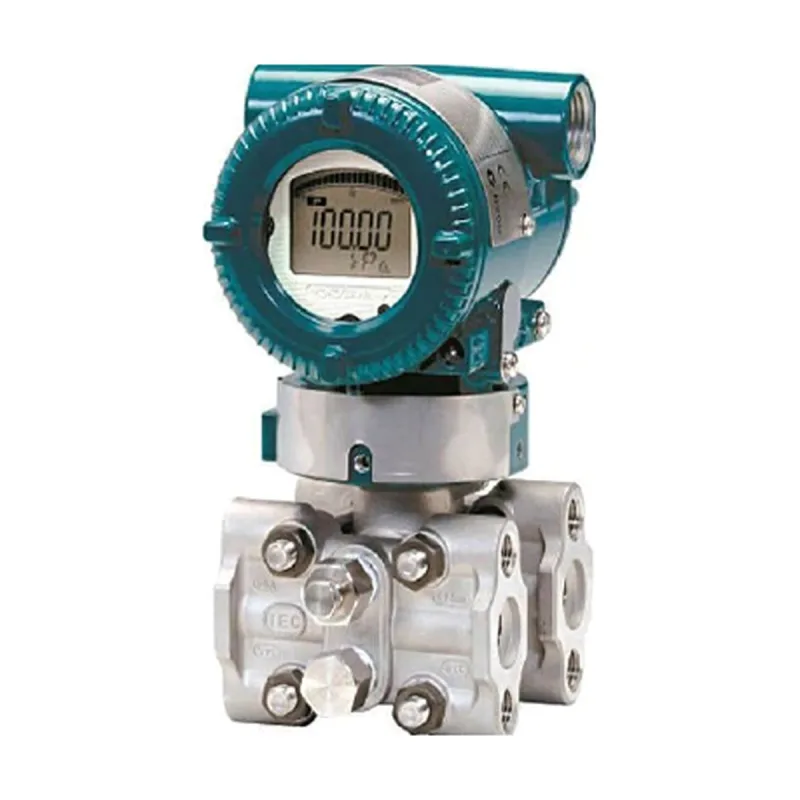
Differential Pressure Transmitter
Smart differential pressure transmitters for orifice flow measurement, pressurised tank level and filter monitoring...