

The control valve is the final element of every loop, and a poor choice cancels out even the best transmitters. This guide walks through selection step by step, from Cv calculation to positioner choice.
In most plants the control valve is the only device that physically acts on the process. However accurate the transmitters and control system are, an oversized valve, high friction or the wrong characteristic will make the loop cycle, waste energy and degrade product quality. Field audits repeatedly show that a large share of poorly performing loops trace back to valve selection or maintenance.
1. Collect complete process data
Accurate sizing needs accurate data. For each valve, collect the following at minimum, normal and maximum conditions:
- Fluid and phase (liquid, gas, steam or two-phase)
- Mass or volumetric flow
- Inlet and outlet pressure (allowable pressure drop)
- Temperature, density or molecular weight and viscosity
- Vapour pressure and critical pressure for liquids (to check cavitation and flashing)
- Line size, pipe material and pressure class
2. Calculate the flow coefficient (Cv)
Cv is the flow of water in US gallons per minute through the valve at a 1 psi pressure drop. Manufacturer sizing software calculates the required Cv according to IEC 60534. A good rule of thumb is that the valve should be 60–80% open at normal flow and not less than 10–20% open at minimum flow. An oversized valve throttles close to the seat, wears quickly and controls poorly.
3. Choose the body style
| Valve type | Advantages | Typical use |
|---|---|---|
| Globe | Excellent controllability, wide trim choice, good shut-off | Steam, feedwater, gas and most process services |
| Butterfly | High capacity, lower weight and cost in large sizes | Cooling water, air and low-pressure gases |
| Segmented ball | High capacity, handles solids and fibres | Pulp, slurries and viscous fluids |
| Angle | Resists erosion and flashing damage | Two-phase and high pressure-drop services |
4. Trim characteristic and leakage class
The flow characteristic links valve travel to flow. Equal percentage trim gives more stable behaviour in most pressure and flow loops where the valve pressure drop changes with load. Linear trim suits level loops and services where the valve pressure drop is roughly constant. Seat leakage is specified to ANSI/FCI 70-2: Class IV is sufficient for most services, while Class V or VI is needed for tight shut-off.
5. Take cavitation, flashing and noise seriously
When liquid pressure at the vena contracta falls below the vapour pressure and then recovers, vapour bubbles collapse violently: this is cavitation, and it can destroy trim and body within weeks. Remedies include multi-stage anti-cavitation trim, splitting the pressure drop across several elements and hardened materials such as Stellite. In high pressure-drop gas service, aerodynamic noise must also be controlled with low-noise trim.
6. Actuator and fail-safe action
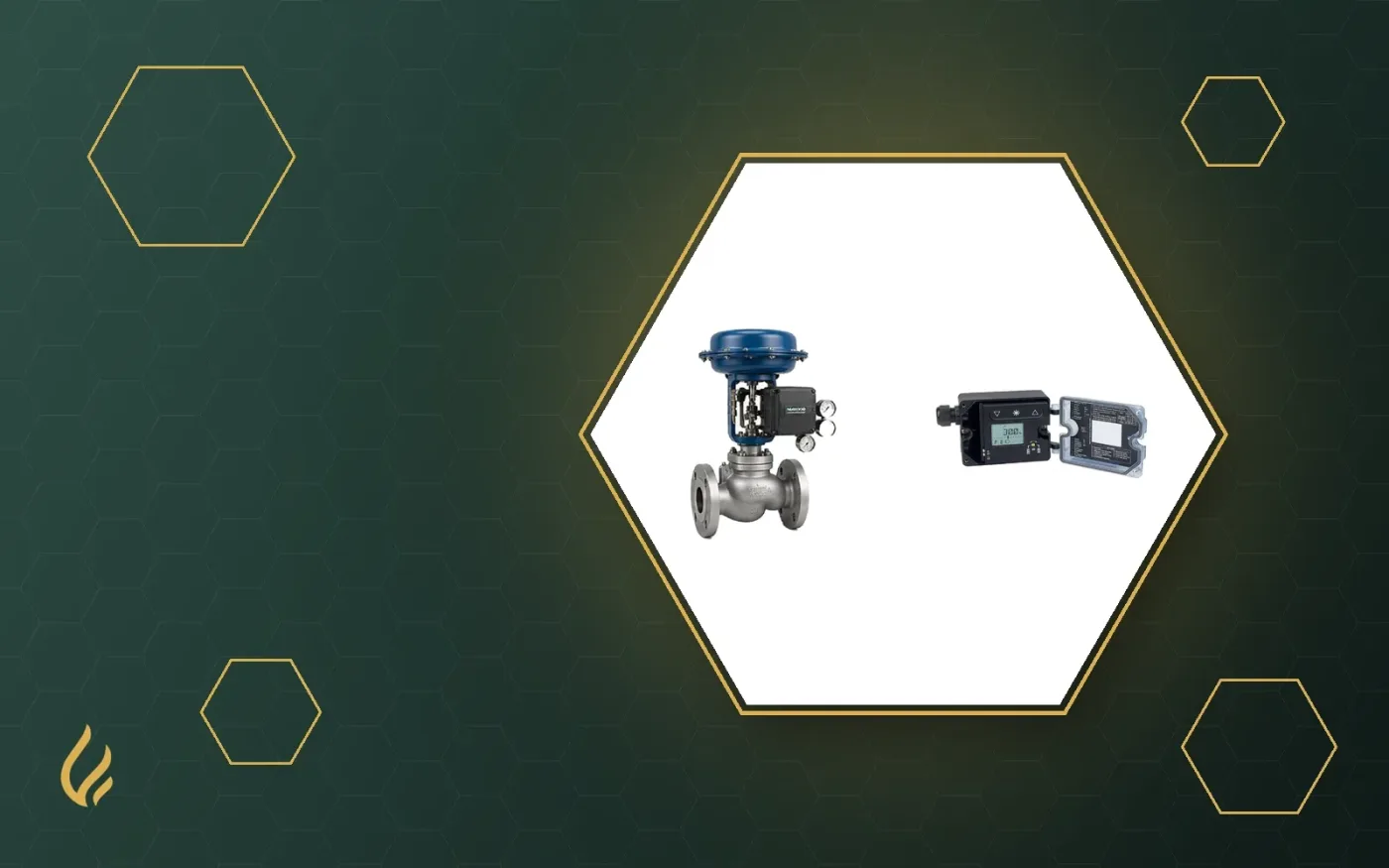
Spring-return pneumatic diaphragm actuators remain the most common choice thanks to their simplicity and reliability. The valve position on loss of air or power (fail open, fail close or fail last) must follow the process safety analysis — for example, heater fuel valves usually fail closed and cooling-water valves fail open. Actuator thrust must overcome the maximum shut-off ΔP with an adequate margin.
7. The smart positioner: the valve's brain
A digital positioner receives the 4–20 mA signal and positions the valve precisely. Its key benefits are:
- Compensation for packing friction and process forces
- Automatic set-up and tuning in minutes
- Advanced diagnostics such as valve signature and friction monitoring
- Partial stroke testing (PST) on safety valves
- HART, Foundation Fieldbus or PROFIBUS PA connectivity to asset management systems
Final ordering checklist
- Process data sheet for three operating cases
- Calculated Cv and valve opening for each case
- Body style, size, pressure rating and end connections
- Body, trim and packing materials
- Trim characteristic and leakage class
- Actuator type, instrument air pressure and fail action
- Positioner type, protocol and hazardous-area approval
- Accessories: solenoid valve, limit switches, filter regulator
Frequently asked questions
Can a control valve be one size smaller than the line?
Yes, and it is often recommended. Control valves are sized on Cv, not line size; a smaller valve with reducers usually controls better and costs less.
When does a control valve need an overhaul?
Increased loop cycling, packing or seat leakage and a changed valve signature in positioner diagnostics are typical signs that service is due.
Hamoon engineers use sizing software from leading manufacturers such as Fisher, Emerson and Bürkert to select the right valve and positioner for your process and prepare a technical and commercial offer. Send us your process data sheet.
Products mentioned in this article
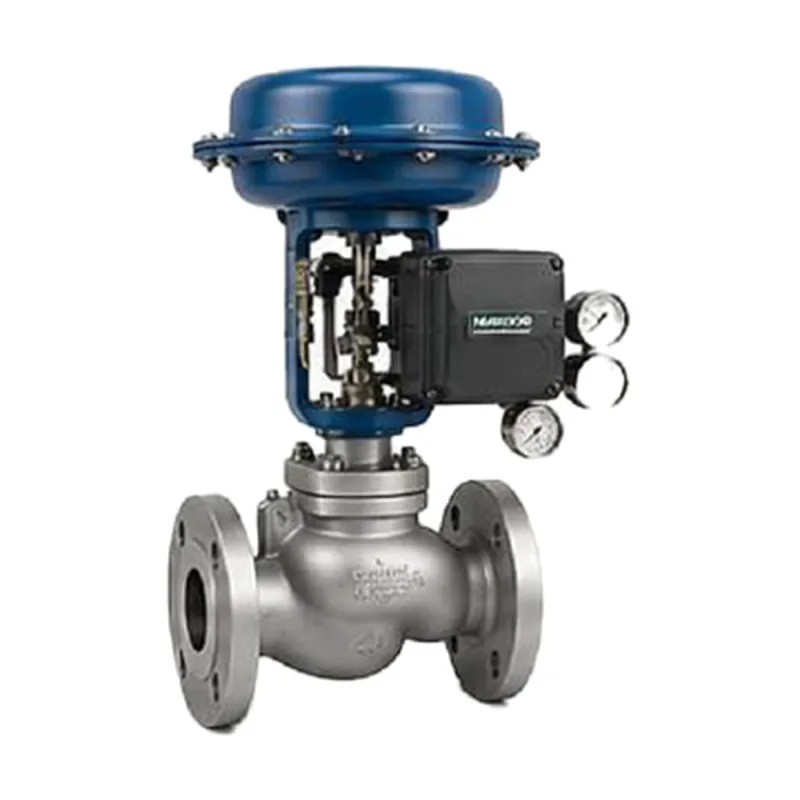
Pneumatic Globe Control Valve
Pneumatic globe control valves for precise regulation of flow, pressure, level and temperature in oil, gas, petroch...
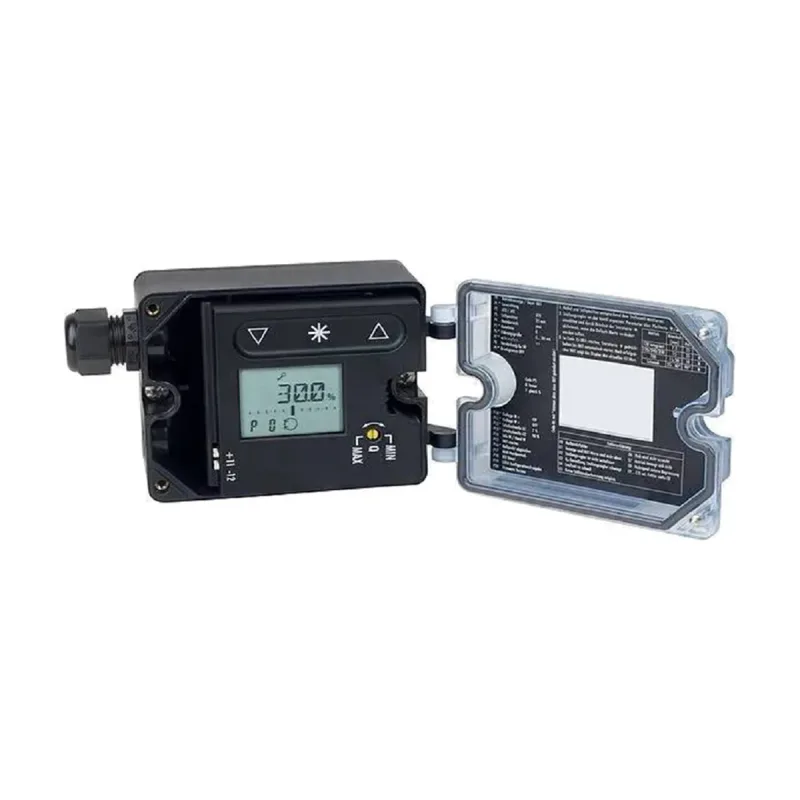
Smart Digital Valve Positioner
Smart digital valve positioners with HART communication for precise positioning of linear and rotary control valves...